Unique Handmade Quilts: Affordable Patchwork Creations
- psquilting1
- May 29
- 4 min read
Quilting is more than just a craft; it’s a form of art that tells a story through fabric. In a world where mass-produced items dominate the market, unique handmade quilts stand out as a testament to creativity, skill, and individuality. These quilts not only provide warmth but also add a personal touch to any home. In this blog post, we will explore the beauty of handmade quilts, their affordability, and how you can create or purchase your own unique patchwork creations.
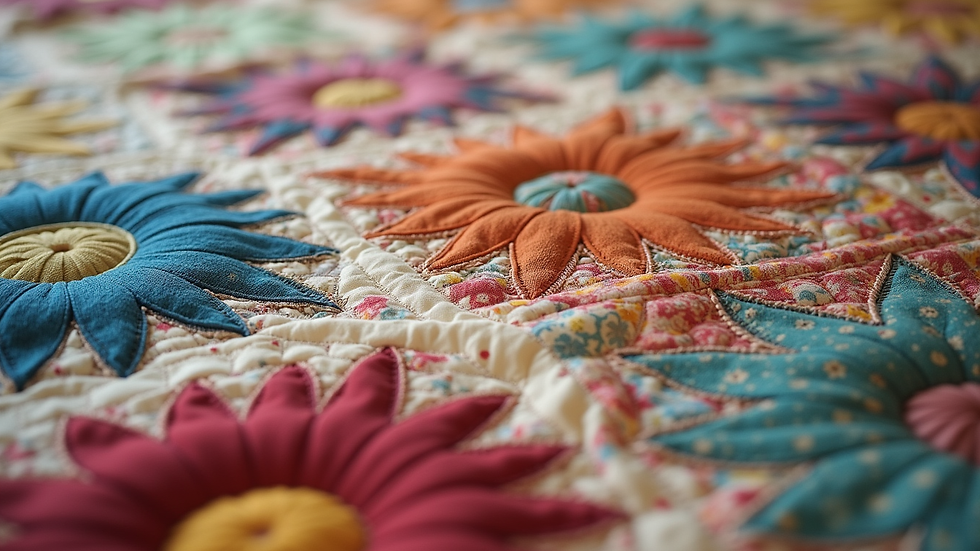
The Allure of Handmade Quilts
Handmade quilts are cherished for their uniqueness and the craftsmanship involved in their creation. Unlike factory-made quilts, each handmade piece carries the personality of its maker. Here are some reasons why handmade quilts are so appealing:
Personal Touch: Each quilt is a labor of love, often reflecting the maker's style and preferences.
Quality Materials: Handmade quilts typically use high-quality fabrics that are more durable than mass-produced alternatives.
Sustainability: Many quilt makers prioritize eco-friendly materials, making these quilts a sustainable choice.
Storytelling: Each quilt has a story, whether it’s about the fabric used or the inspiration behind its design.
The Affordability Factor
While handmade quilts may seem expensive at first glance, they can actually be quite affordable, especially when you consider the value they bring. Here’s how you can find or create affordable patchwork quilts:
1. DIY Quilting
Creating your own quilt can be a rewarding experience. Here are some tips to get started:
Choose Your Fabric Wisely: Look for fabric remnants or sales at local fabric stores. You can often find beautiful materials at a fraction of the cost.
Start Small: If you're new to quilting, begin with a small project like a baby quilt or a wall hanging. This will help you build your skills without a large investment.
Utilize Online Resources: There are countless tutorials and patterns available online for free. Websites like YouTube and quilting blogs can provide step-by-step guidance.
2. Support Local Artisans
Buying from local artisans not only supports your community but can also be more affordable than purchasing from larger retailers. Here’s how to find local quilt makers:
Craft Fairs and Markets: Attend local craft fairs where artisans showcase their work. This is a great way to find unique quilts at reasonable prices.
Online Marketplaces: Websites like Etsy feature many talented quilt makers who sell their creations at various price points.
Social Media: Follow local quilting groups on platforms like Facebook or Instagram to discover artisans in your area.
3. Consider Second-Hand Options
You can often find beautiful handmade quilts at thrift stores, estate sales, or online marketplaces. Here’s what to keep in mind:
Inspect for Quality: When purchasing second-hand, check for any damage or wear. A little repair can often bring a quilt back to life.
Look for Unique Patterns: Vintage quilts often feature unique designs that are hard to find in modern quilts.
The Process of Creating a Handmade Quilt
Creating a quilt is a multi-step process that requires patience and creativity. Here’s a breakdown of the typical steps involved:
1. Planning Your Design
Before you start cutting fabric, take some time to plan your quilt. Consider the following:
Theme: Decide on a theme or color palette that resonates with you.
Pattern: Choose a quilting pattern that matches your skill level. Simple patterns are great for beginners, while more complex designs can challenge experienced quilters.
2. Gathering Materials
Once you have a design in mind, gather your materials:
Fabric: Select your fabrics based on your design. Consider mixing different textures and patterns for added interest.
Batting: This is the middle layer of the quilt that provides warmth. Choose a batting material that suits your needs.
Backing Fabric: The fabric on the back of the quilt should complement the front design.
3. Cutting and Piecing
With your materials ready, it’s time to cut and piece your quilt:
Cutting: Use a rotary cutter and mat for precise cuts. Measure twice to ensure accuracy.
Sewing: Begin sewing your pieces together according to your pattern. Take your time to ensure neat seams.
4. Quilting
Once your top is pieced together, it’s time to quilt:
Layering: Lay out your quilt top, batting, and backing fabric. Pin them together to prevent shifting.
Quilting Techniques: You can hand quilt or machine quilt, depending on your preference. Each method offers a different look and feel.
5. Finishing Touches
After quilting, add the finishing touches:
Binding: Attach binding around the edges to give your quilt a polished look.
Labeling: Consider adding a label with your name and the date. This adds a personal touch and can be a lovely keepsake.
Unique Quilt Styles to Explore
There are countless styles of quilts, each with its own charm. Here are a few popular styles to consider:
1. Patchwork Quilts
Patchwork quilts are made from various fabric pieces sewn together. They often feature a mix of colors and patterns, making each quilt unique. This style is perfect for using up fabric scraps.
2. Appliqué Quilts
In appliqué quilts, pieces of fabric are sewn onto a larger background fabric. This technique allows for intricate designs and can create stunning visual effects.
3. Whole Cloth Quilts
Whole cloth quilts are made from a single piece of fabric, often featuring beautiful quilting patterns. This style emphasizes the quilting itself rather than the fabric design.
4. Modern Quilts
Modern quilts often incorporate bold colors and geometric patterns. They tend to break traditional quilting rules, making them a popular choice for contemporary decor.
Caring for Your Handmade Quilt
To ensure your handmade quilt lasts for years to come, proper care is essential. Here are some tips for maintaining your quilt:
Washing: Always follow the care instructions provided by the maker. Generally, quilts can be machine washed on a gentle cycle with cold water.
Drying: Air drying is preferred, but if you use a dryer, opt for a low heat setting to prevent damage.
Storage: Store your quilt in a cool, dry place. Avoid hanging it for long periods, as this can cause stretching.
Conclusion
Unique handmade quilts are more than just functional items; they are pieces of art that bring warmth and personality to any space. Whether you choose to create your own quilt or purchase one from a local artisan, you are investing in a piece that tells a story and reflects individuality. By exploring the world of quilting, you can discover affordable options that fit your style and budget. So why not take the plunge? Start your quilting journey today and embrace the beauty of handmade creations.


Comments