Explore Our Intricate Quilt Patterns and Colors
- psquilting1
- May 29
- 4 min read
Quilting is more than just a craft; it’s an art form that tells stories through patterns and colors. Each quilt is a unique expression of creativity, reflecting the personality and emotions of its maker. In this post, we will explore the intricate quilt patterns and colors that can transform a simple piece of fabric into a stunning masterpiece. Whether you are a seasoned quilter or just starting, understanding these elements will enhance your quilting journey.

The Importance of Patterns in Quilting
Patterns are the backbone of any quilt. They guide the design and dictate how the final piece will look. Here are some popular quilt patterns that you might consider for your next project:
Traditional Patterns
Log Cabin: This classic pattern features strips of fabric arranged around a central square, creating a warm and inviting design.
Nine Patch: Simple yet versatile, the nine-patch pattern consists of nine squares arranged in a grid. It can be easily adapted to create various designs.
Flying Geese: This pattern uses triangles to create a dynamic design that can add movement to your quilt.
Modern Patterns
Improv Quilting: This free-form style allows quilters to create without strict guidelines, resulting in unique and personal designs.
Geometric Patterns: These patterns use shapes like triangles, squares, and circles to create a contemporary look that appeals to modern sensibilities.
Negative Space: This technique utilizes the empty spaces in a quilt to create striking visual effects, emphasizing the colors and patterns used.
Choosing the Right Colors
Color selection is crucial in quilting. The right colors can evoke emotions, set a mood, and bring your quilt to life. Here are some tips for choosing colors:
Color Theory Basics
Understanding color theory can help you make informed choices. Here are some key concepts:
Complementary Colors: Colors opposite each other on the color wheel, such as blue and orange, create vibrant contrasts.
Analogous Colors: Colors next to each other on the wheel, like blue, blue-green, and green, create a harmonious look.
Monochromatic Colors: Variations of a single color can create depth and interest without overwhelming the viewer.
Practical Tips for Color Selection
Start with a Focal Fabric: Choose one fabric that you love and build your color palette around it.
Use a Color Wheel: This tool can help you visualize how colors work together.
Consider the Mood: Think about the emotions you want to convey. Warm colors like red and yellow can evoke energy, while cool colors like blue and green can create calmness.
Techniques for Combining Patterns and Colors
Once you have chosen your patterns and colors, the next step is to combine them effectively. Here are some techniques to consider:
Balance and Proportion
Achieving balance in your quilt is essential. Consider the following:
Visual Weight: Dark colors and complex patterns draw the eye more than lighter colors and simple patterns. Balance these elements throughout your quilt.
Proportion: Ensure that no single element overwhelms the others. A good rule of thumb is to use a mix of large and small patterns.
Contrast and Harmony
Creating contrast can make your quilt more visually appealing. Here’s how:
Contrast: Pair light and dark fabrics or bold patterns with subtle ones to create interest.
Harmony: Use similar colors or patterns in different scales to create a cohesive look.
Quilting Techniques to Enhance Patterns and Colors
In addition to selecting patterns and colors, the techniques you use can significantly impact the final appearance of your quilt. Here are some popular techniques:
Piecing
This is the process of sewing together different pieces of fabric to create the quilt top. Techniques include:
Straight Piecing: The most common method, where pieces are sewn together in straight lines.
Curved Piecing: This technique allows for more intricate designs but requires more skill and precision.
Appliqué
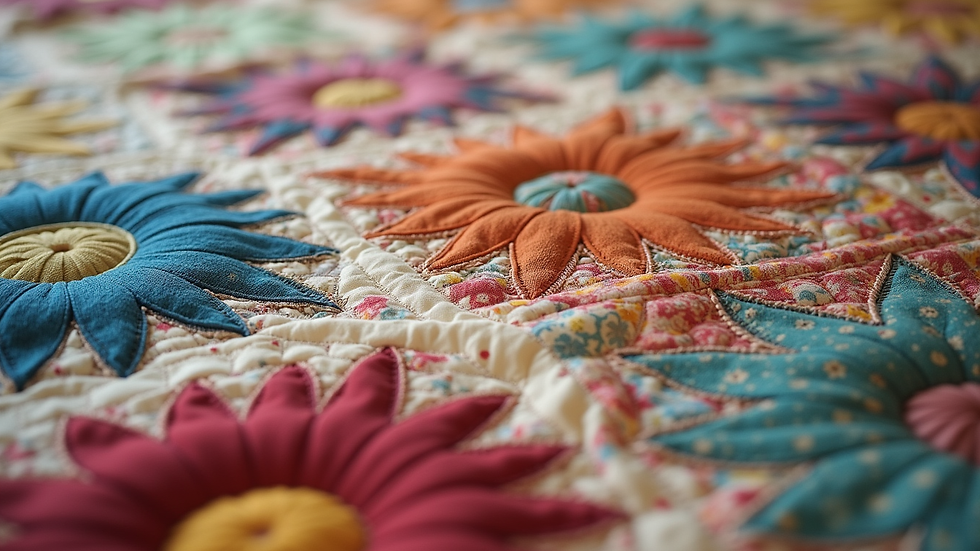
Appliqué involves sewing a piece of fabric onto another fabric to create designs. This technique can add dimension and texture to your quilt.
Quilting
The final step is quilting, where you sew through all layers of the quilt. This can be done by hand or machine and can enhance the patterns and colors in various ways:
Stippling: A free-motion technique that creates a textured look.
Echo Quilting: This involves sewing lines around a shape, enhancing its appearance.
Inspiration from Nature
Nature is a fantastic source of inspiration for quilt patterns and colors. Here are some ideas to draw from:
Floral Patterns
Flowers offer a wide range of colors and shapes. Consider using floral fabrics or creating your own floral designs for a fresh, vibrant look.
Landscapes
The colors of a sunset or the greens of a forest can inspire your color palette. Look for fabrics that mimic these natural hues.
Seasonal Themes
Different seasons offer unique color palettes. Spring brings pastels, summer offers bright colors, autumn showcases warm tones, and winter can inspire cool blues and whites.
Conclusion
Exploring quilt patterns and colors opens up a world of creativity and expression. By understanding the importance of patterns, choosing the right colors, and employing various techniques, you can create stunning quilts that reflect your personal style. Remember to draw inspiration from the world around you, and don’t be afraid to experiment. Your next quilt could be your best yet!
Now that you have the tools and knowledge, it’s time to gather your materials and start quilting. Happy sewing!


Comments